New to orienteering?
Orienteering combines running and map reading, and people of all ages and abilities can take part. Courses range from very easy to long and technically difficult, and WCOC hosts events at least once a week.
How it works
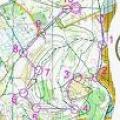
1. Follow the map
Orienteering maps are more detailed than most people are used to: often 1:15,000, 1:10,000 or even 1:7,500, compared with 1:25,000 for a typical walking map. Events take place everywhere from town parks to forests and fells.
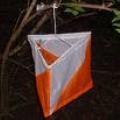
2. Find the controls
Your course is marked on the map as a series of features called controls. At each one you'll find an orange and white flag and an electronic control box.

3. Punch and finish
Insert your electronic chip, or dibber, into each control box. It proves you were there and records your split times. The winner is whoever visits every control, in the right order, in the fastest time.
Your first event
Anyone interested in the sport is welcome at any WCOC event. Check the listing on the events page to see how to enter, then introduce yourself at registration.
Would you like some help? We often have experienced orienteers available to take you round your first course.
Any questions before you come along? Email membership@wcoc.co.uk.
What to bring
You only need a decent pair of trainers or all-terrain shoes and outdoor clothes to get started. Some events and courses also ask for more, so check the event listing before you travel.
- styler Full body cover: Covering your arms and legs is often compulsory where there are brambles, or where sheep roam and ticks are a risk.
- rainy A waterproof: Often compulsory in poor weather, especially on longer courses.
- campaign A whistle: Usually compulsory, as this is how you raise the alarm if you're injured. It's rarely needed.
- explore A compass: Not essential on your first beginner courses, but you'll soon want one as you progress.
Choosing a course
Beginners' courses stick to easy paths and tracks, while experienced orienteers take on longer, technical courses across all kinds of terrain.
Thursday night events
Our informal Thursday events are a great place to start. They usually offer a novice course, a short course and a long course.
Colour-coded courses
Larger events usually grade courses by colour, so you can see how you're progressing as you gain confidence. These are the main colours, from easiest to hardest to navigate:
- White
- Yellow
- Orange
- Light Green
- Green
- Blue
- Brown
- Black
Green, Blue, Brown and Black share the same top level of navigation difficulty and mainly differ in length. Larger, more formal events also have classes based on age and gender, so anyone can be competitive.
More ways to orienteer
- forest Permanent courses: try a course in your own time in Whinlatter or Ennerdale forests. Both have an easy course on paths and forest roads.
- school Schools and juniors: our members run a schools league with hundreds of pupils taking part. Our junior members attend regular coaching sessions and compete against squads from around the country.
- accessible_forward Trail-O: larger events often cater for people with disabilities through this variant of the sport.
- directions_bike Mountain bike and ski orienteering: find out more from British Orienteering.
Need some inspiration? Watch the Hubmann brothers in Train Hard Win Easy and Go Hard Or Go Home.
A word of warning!
This sport is addictive. Only take it up if you're prepared to spend your Thursday nights and most Sundays in some of the most striking scenery in the country, getting fit and mastering new skills that will give you and your family many hours of enjoyment.